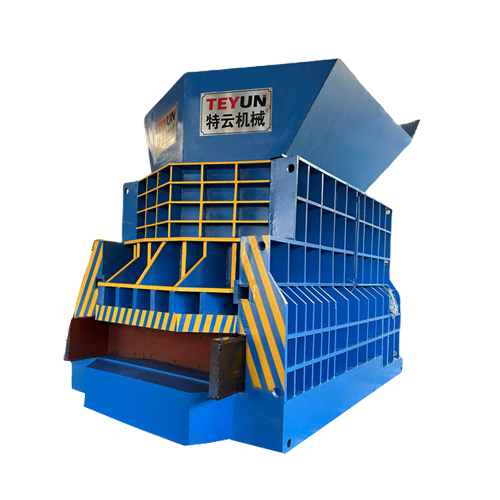
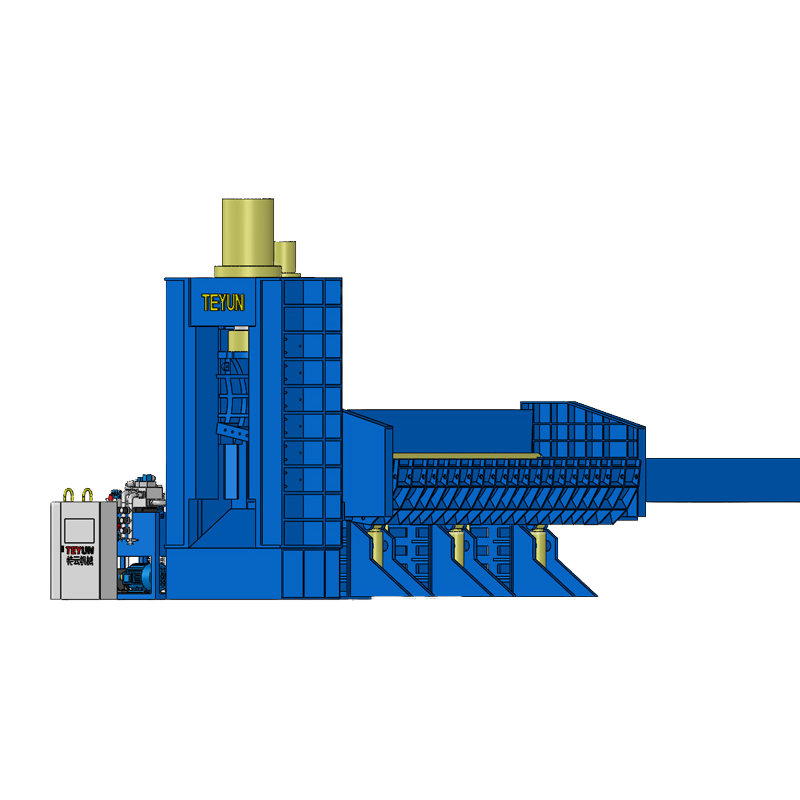
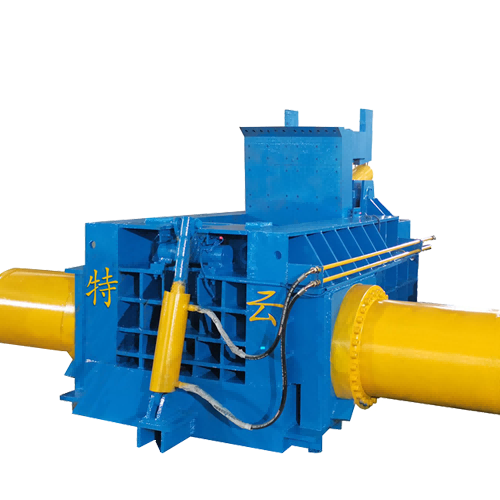
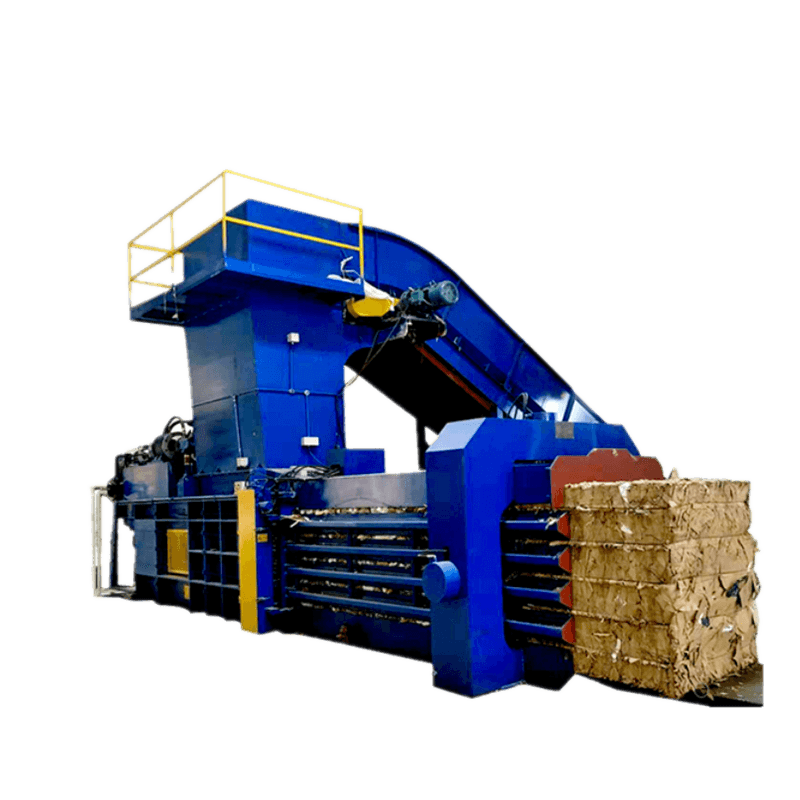
NON-FERROUS BALER FOR CARDBOARD,PET BOTTLES
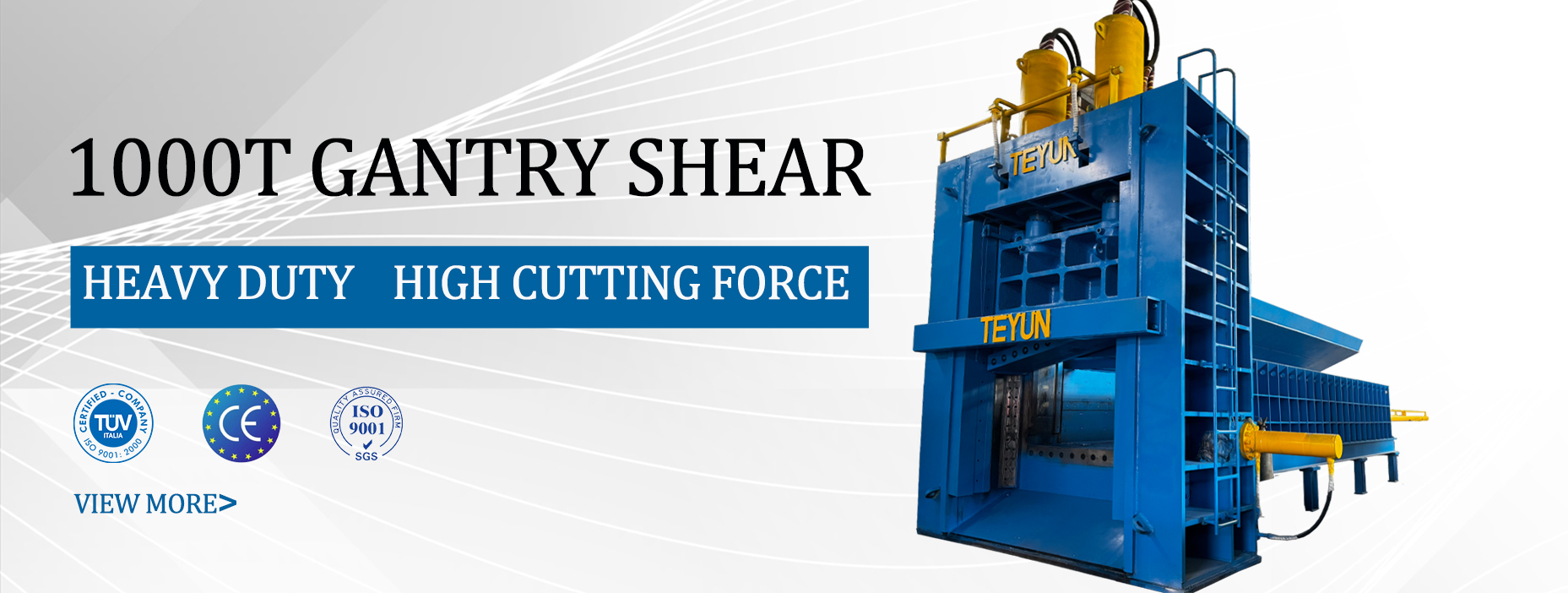
1000ton gantry shear for scrap metal cutting and recycling
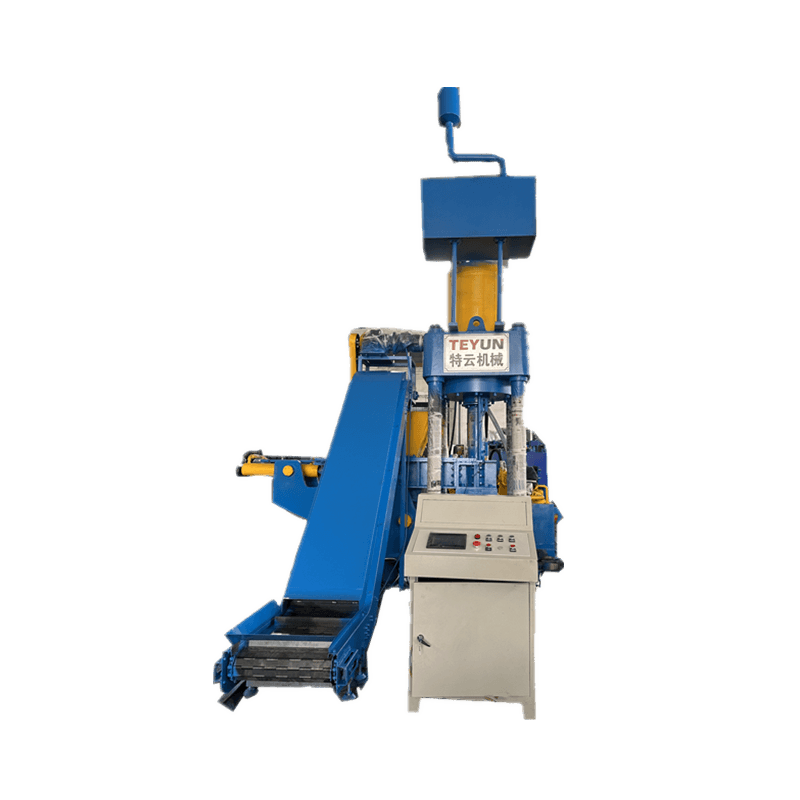
ALuminum Cans Paint Removing Recycling Line
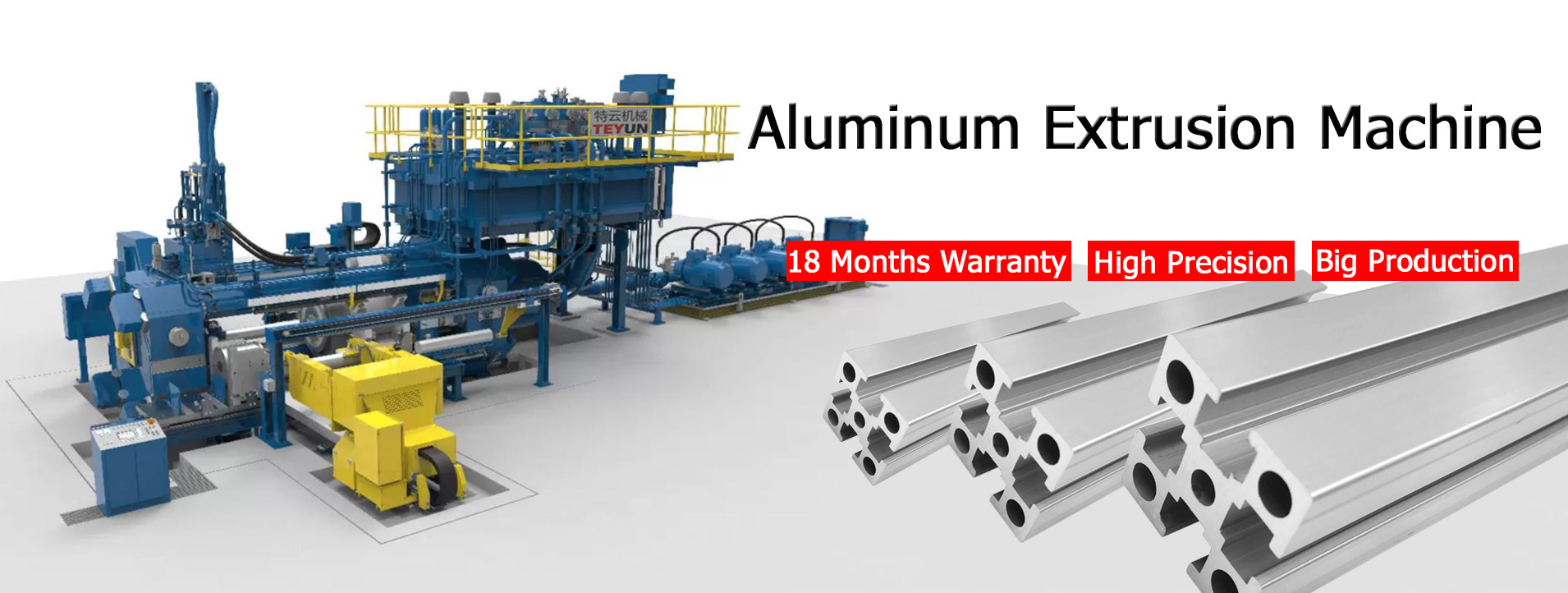
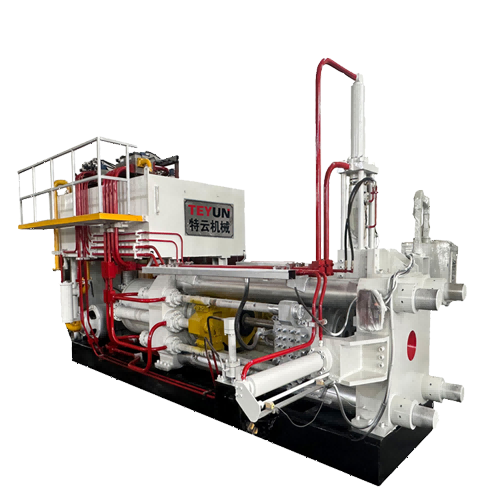
China Aluminum Extrusion Press manufacturer
Products
About Us
  • 20

    Years Of
    Experience

  • 46

    patent
    certificates
  • 7*24

    hours
    online service

Teyun
Teyun was founded in 1997 and has a history of more than 20 years. Teyun is a professional manufacturing enterprise with many years experience in designing and manufacturing hydraulic machine. It is a key enterprise that produces various hydraulic equipment and metal mechanical equipment in China with strong technical force, advanced production equipment and complete testing methods. Leading products include TY81 series metal hydraulic baler, TY43 series alligator hydraulic shearing machine, TY15 series gantry shearing machine, TY83 series hydraulic scrap baling machine, TYPM automatic waste paper baling machine and so on. We always adhere to “be pragmatic, innovative, pioneering and enterprising". With rich experience in designing and good capabilities of equipment processing and manufacturing, we can design and manufacture various non-standard hydraulic machinery according to the special requirements selected by customers. In China, we serve major waste recycling companies, large steel mills, sanitation systems, etc., providing customers with complete solutions. Our products are exported to Japan, Russia, Australia, the United States, the United Kingdom, Germany, and other countries and regions. Our high-quality performance and service have won the recognition and repurchase of overseas buyers. At the same time, in some countries, we have set up brand agents to serve local countries. We sincerely welcome you to join our agency team and start a pleasant cooperation.
      Nanjing Teyun Machinery Manufacture Co., Ltd. was founded in 2010 and has a history of more than 10 years. Teyun is a professional manufacturing enterprise with many years experience in designing and manufacturing hydraulic machine. It is a key enterprise that produces various hydraulic equipment and metal mechanical equipment in China with strong technical force, advanced production equipment and complete testing methods. Leading products include TY81,TY83,TYPM series metal hydraulic baler, TY43 series alligator hydraulic shearing machine,TY15 series gantry shearing machine and so on.   We always keep “be pragmatic, innovative, pioneering and enterprising". With rich experience in designing and good capabilities of equipment processing and manufacturing, we can design and manufacture various non-standard hydraulic machinery according to the special requirements selected by customers. We become one of the most promising domestic manufacturing enterprises which produces hydraulic machine such as balers, shearing machines, and hydraulic scrap machine, and have a huge influence on the waste recycling equipment industry.  
View more about
Our Partners
  • Use and maintenance of alligator shears
    Our Applications
    Use and maintenance of alligator shears

    I. Safety Operating Procedures for Alligator shear   1. Pre-operation Inspection:   Personal Protective Equipment: Wear a safety helmet, protective glasses (face shield), cut-resistant gloves, impact-resistant and puncture-resistant safety shoes, hearing protection, and work clothes.   Equipment Inspection: Check the hydraulic oil level, hydraulic lines for leaks, blades for damage and cracks, all fasteners for secure fasteners, and the electrical system for proper functioning.   Work Area: Clear the work area, ensuring the ground is stable and unobstructed. Non-operators must maintain a safe distance. Set up clear warning signs.   2. Precautions During Operation:   Correct Material Feeding: Place the material to be cut (rebar, structural steel, scrap steel, etc.) as close as possible to the root of the blade shaft (where the shearing force is greatest). Ensure the material is placed stably to prevent bouncing or slipping during cutting.   Strictly Prohibited from Using Beyond the Scope of Application: Never cut materials not clearly defined for use, such as sealed containers (risk of explosion), flammable and explosive materials, live electrical wires and cables, or excessively thick solid steel plates. The maximum shearing capacity (diameter/thickness/material) specified by the equipment must be adhered to.   Process Control:   When starting the shear, hands and all parts of the body must be kept away from the blade and the material clamping device.   When shearing long strips of material, auxiliary equipment or personnel must be used to stabilize the end to prevent injury from swaying after shearing.   If material gets stuck, the machine must be stopped and the pressure released before any action can be taken.   Maintain focus and avoid operating while fatigued.   3. After Operation:   Fully open the blade and stop the machine.   Clean up the blade and surrounding debris and impurities.   Park the equipment on a safe, level surface.   II. Daily Maintenance and Care of Alligator Shears System maintenance can greatly extend the equipment's lifespan and reduce malfunctions.   1. Daily Maintenance:   Cleaning: After work, clean dust, metal shavings, and oil from the equipment, especially the blades, cylinder piston rod, and sensor areas.   Inspection:   Inspect the blades for wear and chipping.   Check all hydraulic joints and pipelines for oil leaks.   Check electrical wiring for damage.   Check all lubrication points (such as the cutter shaft pins) for the need for grease.

  • Safety Operating Procedures for Horizontal Baling Machine
    Our Applications
    Safety Operating Procedures for Horizontal Baling Machine

    Horizontal baler is a heavy-duty industrial machine used to compress loose materials (such as cardboard, paper, plastics, textiles, or non-ferrous metal scraps) into dense, uniform bales for efficient handling, storage, and transportation. The machine operates primarily via a hydraulic system that drives a pressing head to compact material within a large chamber. Due to the significant forces involved and the presence of moving parts, strict adherence to safety procedures is paramount to prevent serious injury or equipment damage. The following outlines the essential safety protocol for its operation.   Safety Operating Procedures   I. Pre-operation Safety Inspection   Personal Protective Equipment (PPE)   Operators must wear the following: a safety helmet, cut-resistant gloves, safety glasses, and impact-resistant safety shoes.   Long hair must be secured under a cap. Clothing should be close-fitting; scarves, neckties, or garments with loose cuffs are strictly prohibited during operation.   Equipment Status Check   Visually inspect all hydraulic lines and connections for signs of damage, wear, or leakage.   Check electrical wiring, control switches, and emergency stop buttons to ensure they are intact and functional.   Verify that all mechanical/hydraulic locking devices on the packing chamber doors (both front and side) are in good working order and provide a secure lock.   Examine the interior of the compression chamber (feed hopper) and remove any foreign objects or residual hard material.   Confirm the hydraulic oil level is within the designated normal range.   Conduct a no-load test cycle. Observe all machine functions—main ram pressure, door opening/closing, and strapping mechanism—to ensure smooth operation without unusual noises.   II. Safety Regulations During Operation   Loading Stage   Ensure the machine is completely stopped with all moving parts in their neutral or home position.   Before opening any access door, confirm that both the main compression ram and the pre-compression ram (if equipped) are fully retracted to a safe position.   Never place hands, feet, or any part of the body inside the compression chamber.   Do not process flammable, explosive, corrosive, or excessively hard materials (e.g., untreated steel castings, large bearings) that could damage the equipment.   Distribute material as evenly as possible across the chamber to prevent one-sided loading. Strictly avoid overloading beyond the machine's rated capacity.   Any material longer than the feed hopper must be cut down or pre-treated before loading.   Door Closure & Compression Stage   After loading, the operator must visually confirm that all personnel are clear of the machine before closing and securing the chamber door.   Once closed, double-check that all doors are positively locked. This is a critical safety step.   During...

  • Metal Shredder: The Powerful Recycling Machine
    Our Applications
    Metal Shredder: The Powerful Recycling Machine

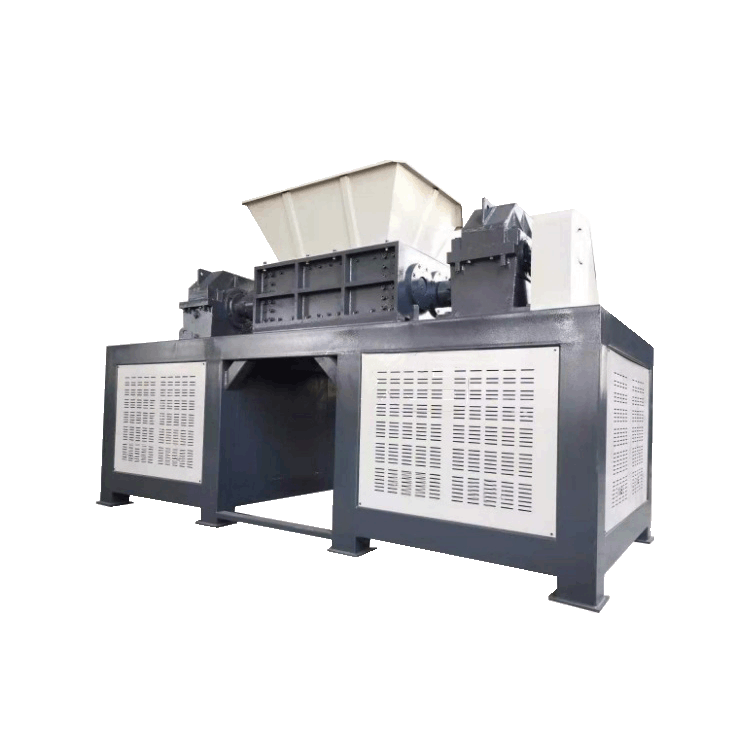
    A metal shredder is an industrial machine designed to reduce large metal objects into smaller, manageable pieces for recycling and processing. These powerful machines play a crucial role in the metal recycling industry, transforming scrap metal into valuable raw materials that can be reused in manufacturing.   How Metal Shredders Work   Metal shredders operate using a series of rotating shafts equipped with cutting blades or hammers. When scrap metal enters the machine, these blades tear, cut, and shred the material through a combination of high torque and impact force. The process typically involves multiple stages: pre-shredding to break down large items, followed by fine shredding to achieve the desired particle size. Most modern shredders feature hydraulic systems that can generate immense pressure, allowing them to process everything from car bodies and appliances to construction materials and industrial waste.   Types of Metal Shredders   There are several types of metal shredders designed for different applications. Horizontal shaft shredders are common for processing large volumes of mixed scrap, while vertical shaft shredders are often used for specific materials like aluminum cans or electronic waste. Shear shredders use scissor-like cutting action for clean cuts, and hammer mills employ swinging hammers to pulverize materials. The choice of shredder depends on factors such as the type of metal, desired output size, and production capacity requirements.   Applications and Benefits   Metal shredders are essential in scrap yards, recycling facilities, and manufacturing plants. They prepare materials for further processing, such as magnetic separation to remove ferrous metals or eddy current separation for non-ferrous metals. The shredded material can be melted down and reformed into new products, significantly reducing the need for virgin materials and lowering energy consumption. This process helps conserve natural resources, reduce landfill waste, and minimize the environmental impact of metal production.   Key Features and Safety   Modern metal shredders incorporate advanced safety features, including emergency stop systems, overload protection, and automatic reversal mechanisms to prevent jams. Many are equipped with monitoring systems that track performance metrics and detect potential issues before they cause downtime. The efficiency of these machines continues to improve with technological advancements, making metal recycling more cost-effective and environmentally sustainable than ever before.

latest news
Leave A Message
If you are interested in our products and want to know more details,please leave a message here,we will reply you as soon as we can.
Contact Us
Contact Us

We are online 7*24 hours to answer all your questions

Top
Leave A Message
Leave A Message
If you are interested in our products and want to know more details,please leave a message here,we will reply you as soon as we can.

Home

Products

skype

whatsapp